Published August 18, 2026 · Sean Williams, Associate Broker, PSA · The Prince Group
Sellers along the Turnagain bluff tend to arrive at the same assumption: the water view is the value. It is a reasonable belief, and it is incomplete in a way that costs money.
The Cook Inlet premium is real. It is also narrower, more conditional, and more dependent on presentation than most sellers expect. Understanding what the market actually pays for — and what it quietly declines to pay for — is the difference between a property that transacts near its ceiling and one that sits.
The Premium Is for the View, Not the Proximity
This is the single most important distinction in the neighborhood, and the one most often misunderstood.
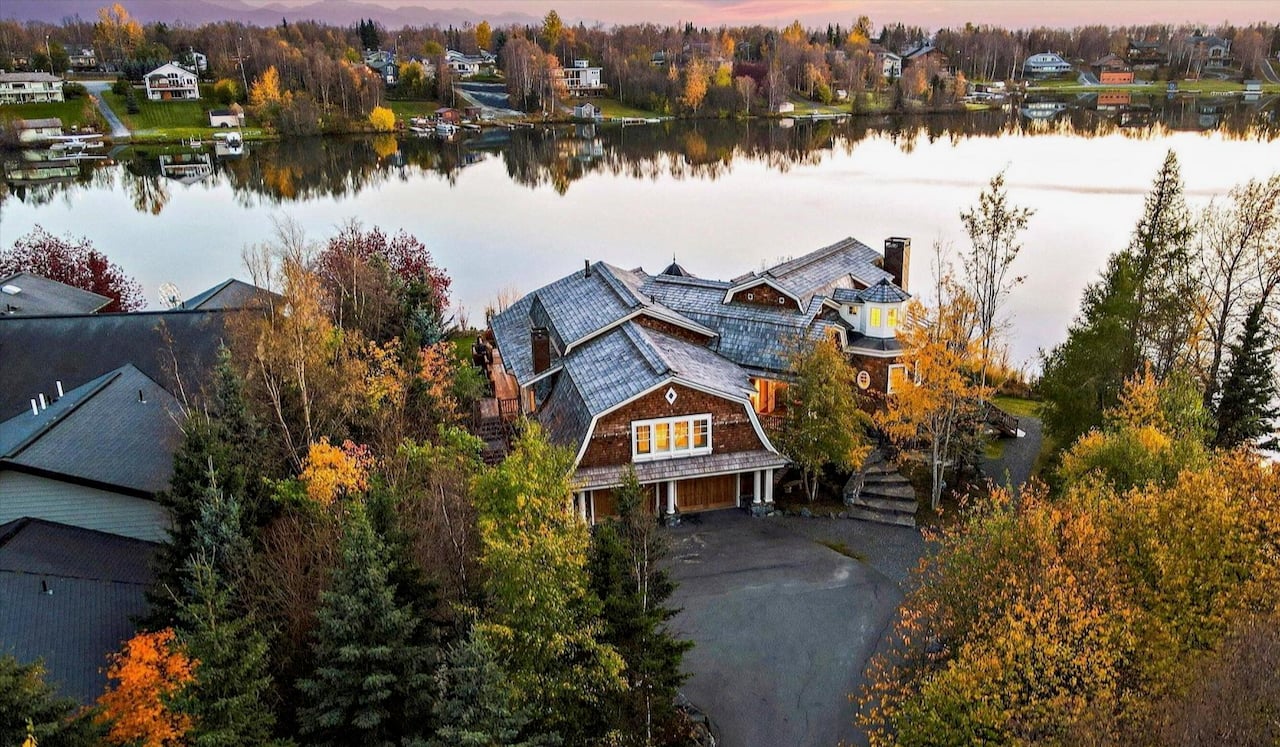
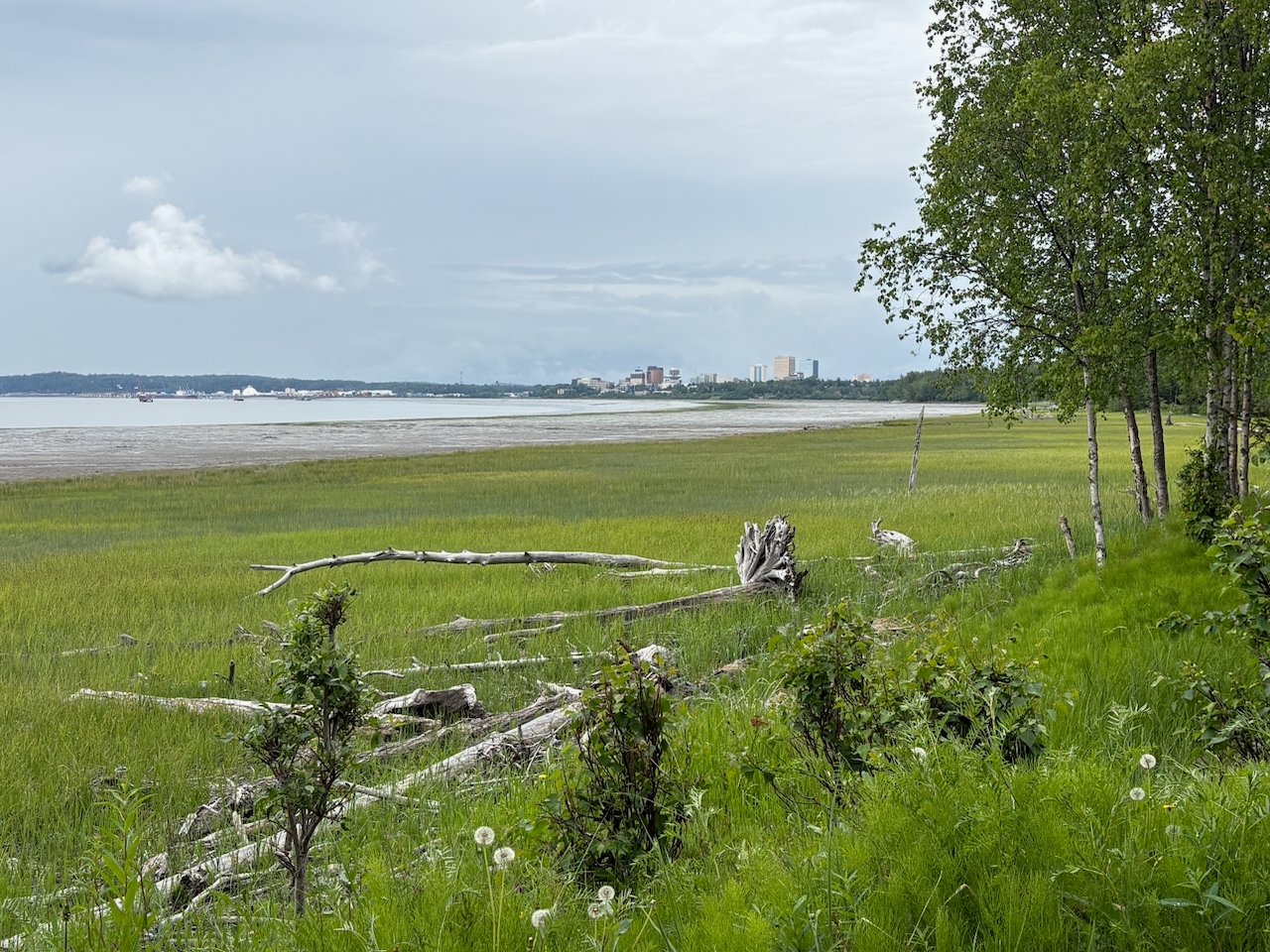
Buyers are not paying to be near Cook Inlet. Turnagain has a great many homes near Cook Inlet. Buyers are paying for an unobstructed sightline — the Inlet, the Alaska Range across the water, and the light that comes with both. A home two lots back from the bluff with a partial view through neighboring rooflines does not capture a fraction of the premium proportional to its distance. It captures far less.
The practical consequence: proximity descriptions do not sell the premium. A listing that leads with waterfront adjacency when the view is partial sets an expectation the showing then fails to meet, and buyers who feel oversold negotiate harder.
What the market is actually pricing — Sightline quality, not distance to water. The relevant questions are what is visible, from which rooms, at what times of day, and whether anything could be built to obstruct it. A seller who can answer those precisely is in a materially stronger position than one who cannot.
Which Rooms Hold the View
A view from the primary bedroom and a view from the main living space are not valued equally. Buyers respond most strongly to the view being present where they will spend their waking hours — living room, kitchen, dining, and any outdoor space that is genuinely usable.
Homes built in earlier decades frequently oriented the best glass toward the street rather than the water, because that was the convention at the time. Where a previous owner has reoriented the main living space toward the Inlet, that renovation typically returns well above its cost. Where it has not happened, it is worth understanding before listing, because a buyer walking through will register it immediately even if they cannot articulate it.
Bluff Position, Erosion, and the Questions Buyers Will Ask
Turnagain carries a specific history. The 1964 earthquake reshaped this ground, and Earthquake Park exists as a permanent reminder of it. Buyers know this, and out-of-state buyers frequently arrive having read about it.
Sellers who treat the subject as something to be managed around tend to fare worse than sellers who address it directly. Setback from the bluff edge, any engineering or geotechnical documentation that exists, and the property's history are all things a serious buyer will investigate. Having that material assembled and offered up front removes uncertainty, and uncertainty is what buyers discount for.
The same logic applies to any drainage, foundation, or slope work performed over the years. Documented work is an asset. Undocumented work invites the buyer's inspector to draw their own conclusions.
Seasonality Matters More Here Than Elsewhere
Anchorage has a pronounced selling season. On the Turnagain bluff, the effect is amplified, because the asset being sold is substantially visual.
Late spring and summer present the property at its strongest — long light, the Inlet visible, mountains across the water, outdoor space usable. Winter listings can still transact well, but they require photography and marketing material that carries the summer condition, and they require honesty about it. A buyer who has only seen the property in December is not experiencing what they are paying for.
This is not an argument for waiting. It is an argument for planning the marketing around the timing rather than discovering the constraint after the listing is live.
Pricing a Property With Few True Comparables
The homes that genuinely compete with a strong Turnagain bluff property are limited in number, and they do not come to market on a predictable schedule. That creates a valuation challenge similar to the one in other scarce segments: the comparable pool is thin, and each sale carries substantial weight.
Current median sale price, days on market, and closed volume for the neighborhood are maintained in our Turnagain market report, refreshed quarterly against MLS data. Those figures describe Turnagain as a whole, which includes a considerable amount of non-view inventory — a useful baseline, but not a substitute for pricing a bluff property specifically.
For a property in the view tier, the pricing conversation is necessarily individual. The relevant question is not what Turnagain homes sell for. It is which buyers are currently in the market for this particular view, at this particular price point, and what else they are considering.
Frequently Asked Questions
How much is a Cook Inlet view worth in Turnagain?
The premium varies substantially with sightline quality rather than distance to the water. An unobstructed view across the Inlet toward the Alaska Range commands materially more than a partial view through neighboring structures, even where the two homes sit close together. Because comparable view properties are limited in number, the premium is best assessed against specific recent sales rather than a general percentage.
Do I need a geotechnical report to sell a Turnagain bluff home?
It is not a listing requirement, but buyers along the bluff frequently ask about setback, slope stability, and any prior engineering work. Assembling whatever documentation exists before listing removes uncertainty from the negotiation. Sellers who address the subject directly generally fare better than those who wait to be asked.
When is the best time to sell a Turnagain waterfront home?
Late spring through summer presents a view property at its strongest, with long daylight and usable outdoor space. Winter listings can transact well but require marketing material that accurately conveys the summer condition. The more the value rests on the view, the more the timing matters.
Is Turnagain waterfront property a good investment given the 1964 earthquake history?
The neighborhood has been continuously desirable in the decades since, and bluff properties command a premium today. Buyers do ask about ground conditions, and individual properties differ meaningfully in setback and history — which is why documentation specific to your property matters more than any general answer.
What is my Turnagain home worth?
Neighborhood-wide medians are published in the Turnagain market report, though they blend view and non-view inventory. For a bluff property, an accurate figure requires assessing sightline quality, which rooms hold the view, and the current pool of competing properties. A starting estimate is available through our home valuation tool.
Related Resources
- Turnagain Market Report — current median price, days on market, and sales volume, updated quarterly
- Turnagain Neighborhood Guide — housing stock, Turnagain-by-the-Sea, schools, and current listings
- Home Valuation — start with an estimate of your home's current value
- Seller's Guide — the full listing process from preparation through closing
- Certified Pre-Owned — pre-listing inspection and documented disclosure
Discuss Your Turnagain Property
View properties reward specificity. If you are considering a sale along the bluff, a walkthrough and an honest assessment of where your sightline sits relative to current competition is the most useful place to begin.
Sean Williams, Associate Broker · The Prince Group · eXp Luxury
(907) 312-8141 · [email protected]